Water Pressure Is Low? Start Here.
If the water pressure in your house suddenly feels weak, the location of the problem matters. One faucet, one bathroom and the whole house point to different possible causes.
Where is the water pressure low?
Before replacing parts or assuming there is a major plumbing failure, compare fixtures around the home. The pattern is one of the fastest ways to narrow the possibilities.
Low pressure at one faucet
A clogged aerator, fixture cartridge or partially closed local shutoff valve may restrict flow even when the rest of the home is normal.
Low pressure in one bathroom
If several fixtures in one bathroom are weak while the kitchen and other rooms are normal, the issue may involve local fixtures, valves or branch plumbing.
Low pressure throughout the house
Whole-house symptoms broaden the possibilities to the main valve, pressure regulator, service line, concealed leak, restricted piping or utility supply.
Why is the water pressure low throughout my house?
A whole-house change deserves more attention than one weak faucet, especially when the change is sudden. Possible causes include a main shutoff valve that is not fully open, a pressure regulator problem, a leak in the home's supply piping, restricted older piping, a service-line problem or a temporary change on the water utility's system.
What can cause low water pressure?
| Possible cause | Typical clue | What to consider |
|---|---|---|
| Clogged aerator or showerhead | One fixture is weak | Debris or mineral buildup may be restricting flow at the outlet. |
| Fixture or shutoff valve | One sink/toilet area is affected | A local valve may not be fully open or a fixture component may be restricted. |
| Pressure regulator | Multiple fixtures have consistently weak or unstable pressure | A plumber can evaluate the regulator and actual system pressure. |
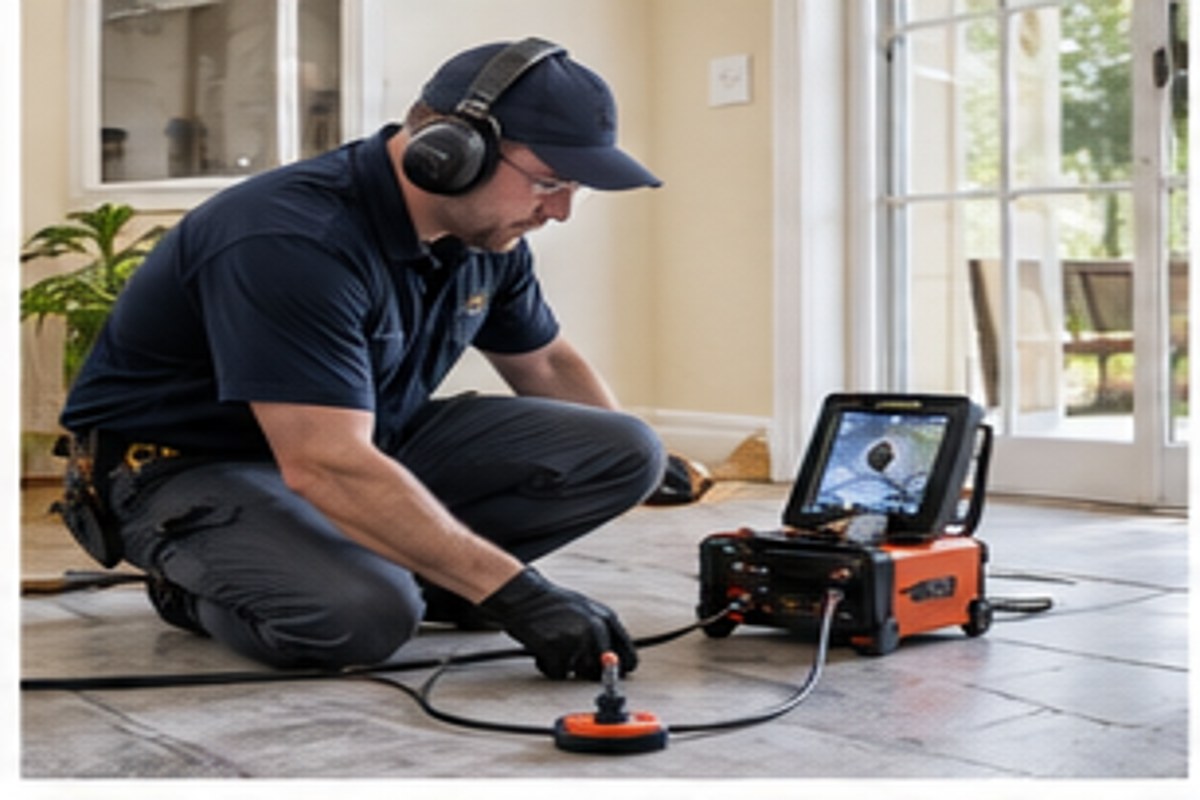
| Hidden water leak | Pressure change plus unexplained water use or moisture | Leak detection may be needed when the source is concealed. |
| Main/service line issue | Whole-house pressure is affected | Determine whether the issue is on the private plumbing side or utility side. |
| Restricted older piping | Pressure/flow has worsened gradually | Internal corrosion or buildup can reduce usable flow in some piping systems. |
| Utility-side condition | Neighbors also report low pressure | Check with the local water provider for maintenance or system issues. |
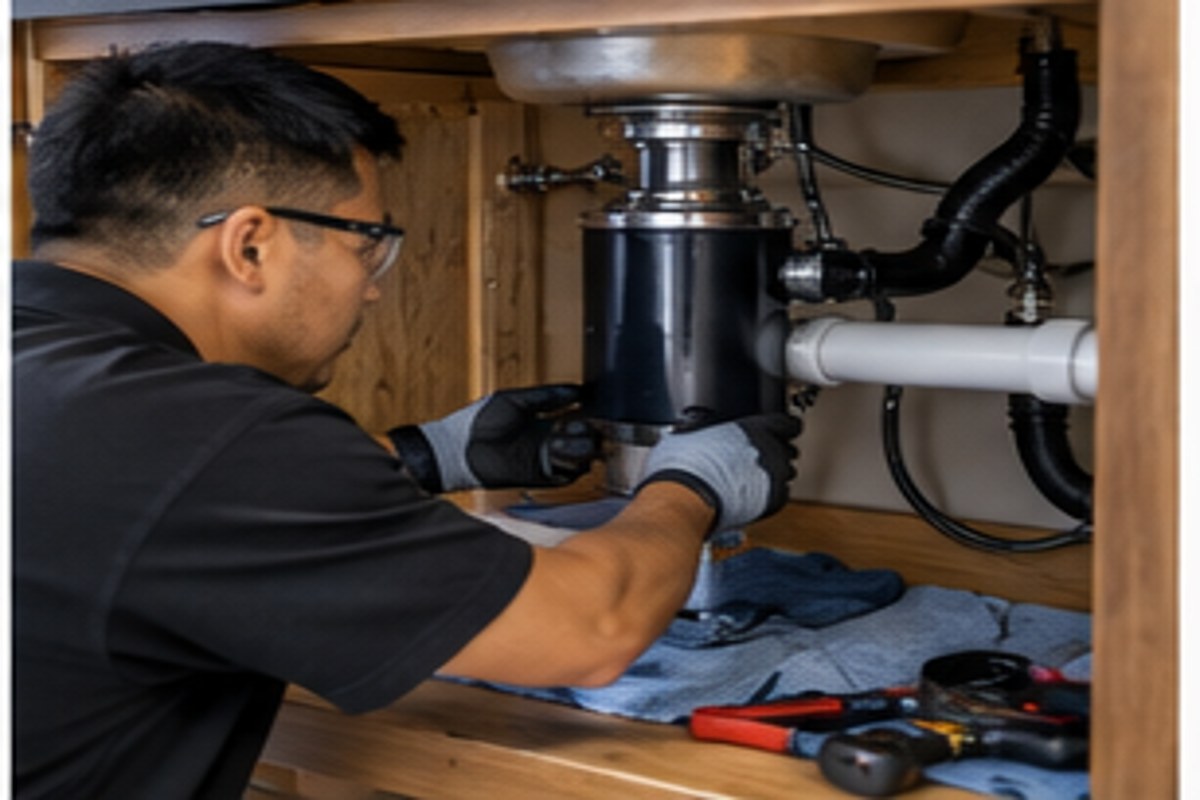
What to check before calling a plumber
Low water pressure isn't always a whole-house pressure problem
Homeowners often use “pressure” and “flow” interchangeably. A clogged faucet aerator can make a sink feel like it has poor pressure even though the home's supply pressure is normal. That's why comparing fixtures is so useful.
If every fixture becomes weak at roughly the same time, the diagnosis changes. A plumber may need to measure pressure, inspect the regulator or valves, and investigate for leaks or service-line restrictions.
When low pressure points to a bigger plumbing problem
Common homeowner questions
Why is my water pressure low?
Low water pressure can result from a clogged fixture, partially closed valve, pressure-regulator problem, hidden leak, restricted piping, service-line issue or a temporary utility-side condition. The first step is determining whether one fixture or the entire home is affected.
Why is water pressure low throughout my house?
Whole-house low pressure can point to the main shutoff valve, pressure regulator, service line, a significant leak, restricted piping or the water utility. A sudden whole-house change deserves prompt investigation.
Why is the water pressure low in only one bathroom?
If other rooms have normal flow, the cause may be local to that bathroom, such as a showerhead or faucet aerator, fixture cartridge, shutoff valve or branch piping.
Can a hidden leak cause low water pressure?
Yes. A significant supply-line leak can reduce available flow and may also cause unexplained meter movement, higher water use, damp areas or other moisture symptoms.
Can a bad pressure regulator cause low water pressure?
Yes. Where a home uses a pressure-reducing valve, a failing or incorrectly adjusted regulator can contribute to pressure that is too low or unstable. Diagnosis and adjustment should be handled carefully.
Should I call a plumber for low water pressure?
Consider professional help when pressure drops suddenly, affects the whole house, accompanies signs of a leak, persists after simple fixture checks or appears related to the regulator, main line or concealed piping.
Get help narrowing down the cause.
Describe whether the problem affects one fixture, one room or the entire home.