Helping California homeowners find plumbing help Call (866) 227-6805

Drain cleaning connections

Slow drain, recurring clog, or backup? Get help finding the cause.

A single slow sink may be a minor nuisance, but repeated clogs, foul odors, gurgling fixtures, standing water, or several drains backing up together can point to a deeper plumbing problem. California Water Help can help connect you with an independent plumbing professional serving your area.

☎ Call (866) 227-6805 Availability varies by area and provider
One simple callDescribe the symptoms
Multiple drain typesSinks, tubs, showers, floors, and main lines
Independent providersConfirm pricing and credentials directly

Routine and urgent requestsDiscuss the problem by phone

Multiple drain typesFrom branch lines to main drains

No-obligation callAsk questions before hiring

Clear referral roleIndependent providers perform the work

Common drain problems

Different fixtures can point to different kinds of blockages

Where the symptoms appear, how often they return, and whether several fixtures are affected can help a professional narrow down the likely location of the problem.

01

Kitchen sink clogs

Cooking grease, food particles, soap residue, and years of buildup can narrow the inside of a kitchen drain. A clog that returns after plunging may be located farther down the branch line.

02

Bathroom sink clogs

Hair, toothpaste, soap, cosmetics, and debris can collect around the stopper and trap assembly. If cleaning the visible area does not solve the problem, the restriction may be deeper.

03

Shower and tub drains

Hair and soap scum are common causes of slow showers and tubs. Standing water around your feet or a drain that takes several minutes to clear can be an early warning sign.

04

Toilet backups

Too much paper, non-flushable items, or a blockage farther downstream can cause repeated toilet problems. If plunging does not restore normal flow, additional evaluation may be needed.

05

Laundry and utility drains

Lint, detergent residue, dirt, and debris can restrict laundry drains. Overflow during the washer’s drain cycle may indicate a clog or a line that cannot handle the discharge properly.

06

Main drain or sewer backups

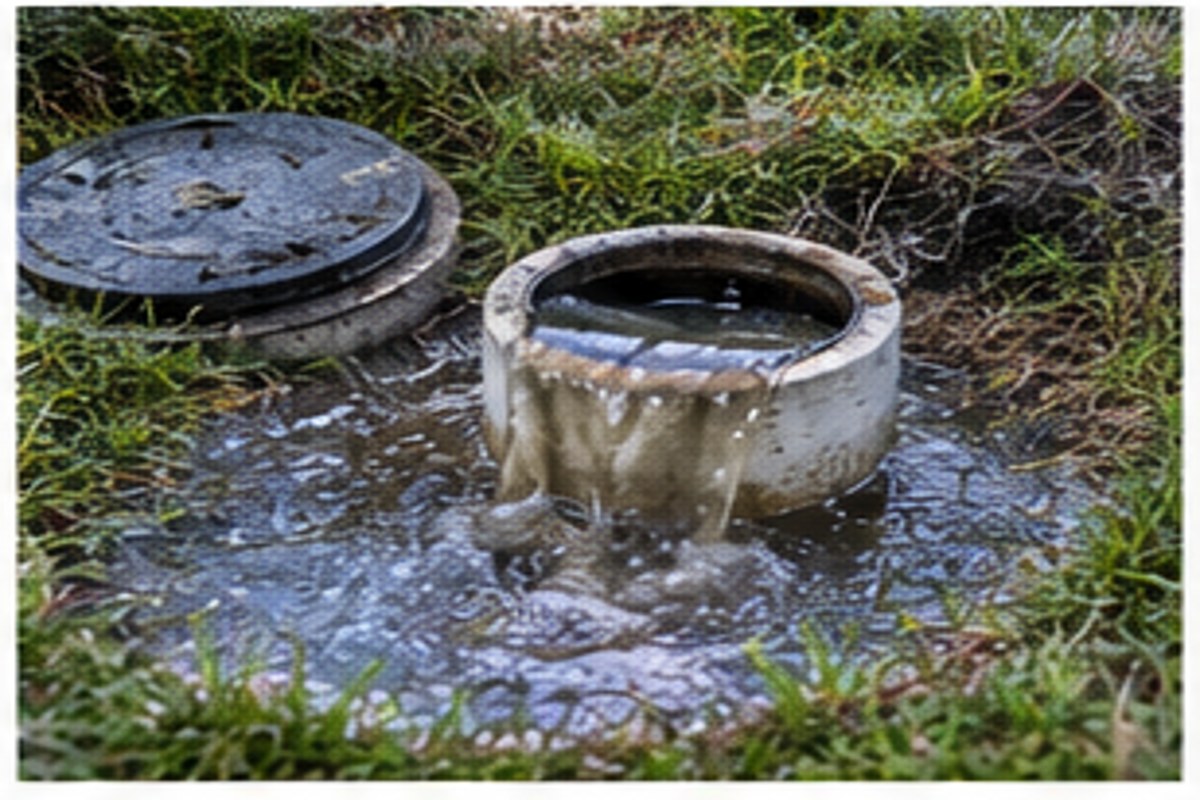
When several fixtures slow down or back up together, the problem may be in a shared line. Sewage odors, gurgling toilets, or water appearing in a low drain can make the issue more urgent.

Warning signs

When a drain problem may be more than a simple clog

A one-time sink clog is different from a pattern affecting several fixtures. Pay attention to how the plumbing behaves throughout the home.

  • Several drains are slow. This may point to a shared branch or main-line restriction.
  • A toilet bubbles when another fixture drains. Air may be moving through the system because flow is restricted.
  • Water appears in a tub or floor drain. Wastewater may be backing up through a lower fixture.
  • The clog returns soon after clearing. The underlying buildup or obstruction may still be present.
  • You notice sewer-like odors. A dry trap, vent issue, or drainage problem may need investigation.
  • The problem worsens during heavy water use. A partially blocked line may struggle when several fixtures run at once.

California considerations

Local conditions can affect drainage systems

California homes range from older properties with aging drain materials to newer developments with modern piping. The cause of a blockage can vary with the home’s age, maintenance history, landscaping, and water conditions.

Hard-water minerals: Mineral scale can combine with soap and debris, contributing to slower flow in some fixtures and lines.

Mature landscaping: Roots naturally seek moisture and may enter sewer lines through cracks, separated joints, or damaged sections.

Older drain materials: Cast iron, clay, galvanized components, or previously repaired sections can develop rough interiors, corrosion, offsets, or other conditions that catch debris.

Seasonal water use: Guests, irrigation, laundry, and other periods of heavy use can expose a partially restricted line that seemed acceptable under lighter demand.

What causes clogs?

Common materials and conditions behind slow drains and backups

Understanding the likely cause can help homeowners explain the problem clearly and ask better questions when speaking with a provider.

Grease and cooking oils

Liquid grease can cool and harden inside kitchen drain lines. It may also trap food particles and other debris.

Hair and soap residue

Hair can form a net that catches soap, skin oils, and products in bathroom drains.

Non-flushable products

Wipes, paper towels, hygiene products, cotton swabs, and similar items may not break down like toilet paper.

Foreign objects

Small toys, caps, utensils, jewelry, and other objects can accidentally enter drains or toilets.

Tree-root intrusion

Roots can enter damaged sewer lines, catch waste, and gradually reduce the usable opening.

Damaged or misaligned piping

Cracks, corrosion, low spots, separated joints, or collapsed sections can interfere with normal flow.

Mineral and scale buildup

Mineral deposits can narrow passages and create rough surfaces that collect more debris.

Improper slope or venting

Drainage depends on correct pitch and airflow. Installation or venting issues can contribute to slow performance.

Heavy system use

A partially restricted line may back up when several fixtures, appliances, or bathrooms are used close together.

Need help with a stubborn drain?

Describe the symptoms and ask about service availability.

Your call may be connected with an independent plumbing professional serving your area.

☎ Call (866) 227-6805

Professional approaches

How a provider may evaluate a recurring drain problem

The right approach depends on the location, severity, and suspected cause of the blockage. A provider may ask which fixtures are affected, when the problem started, and whether previous clearing attempts provided only temporary relief.

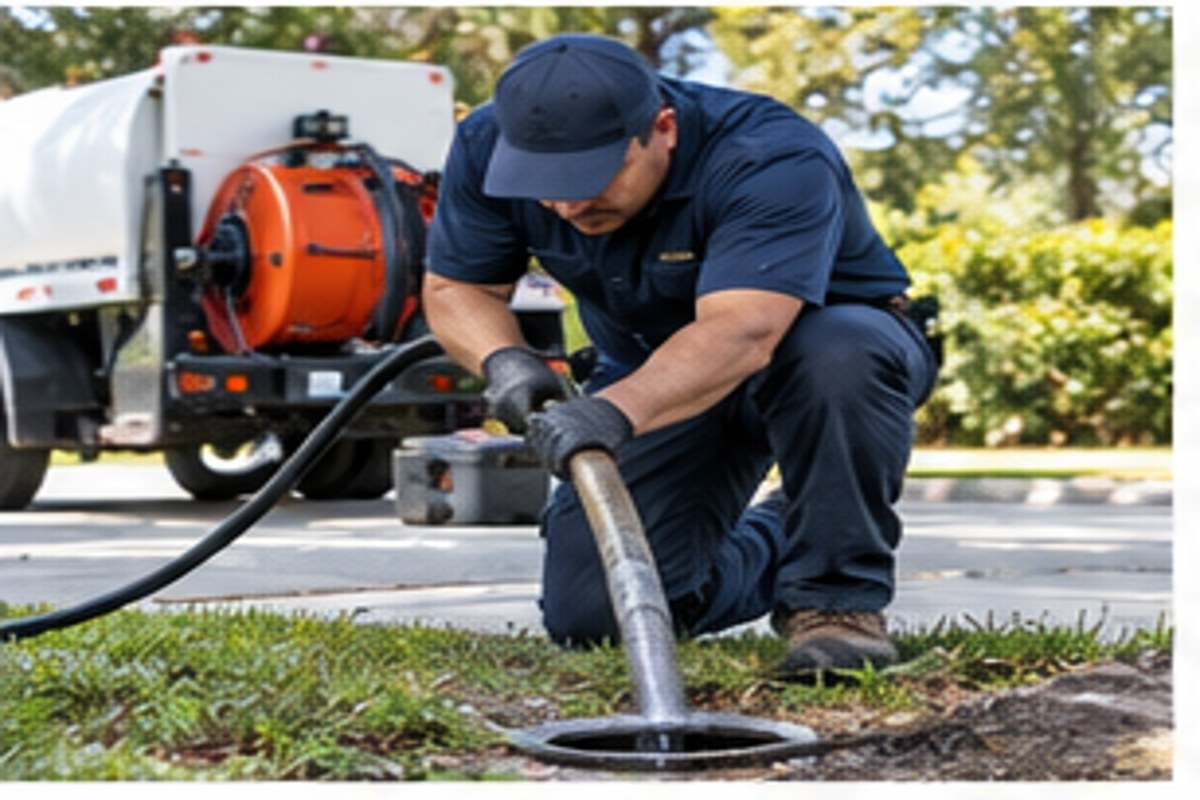
Possible steps can include checking accessible traps, testing multiple fixtures, using drain-clearing equipment, evaluating cleanouts, or recommending a camera inspection when damage, roots, or a deeper obstruction is suspected.

Not every clog requires the same equipment. A simple branch-line blockage may be different from a grease-packed kitchen line, a root-intruded sewer, or a damaged underground pipe. Ask the provider to explain the recommended method, likely cause, pricing, and what happens if the initial approach does not resolve the issue.

Be cautious with chemical drain cleaners.

Some products can create fumes, splash hazards, heat, or pipe damage, especially when mixed or used repeatedly. They may also leave hazardous liquid in the line for the person who later opens the drain. Follow label directions carefully and tell the provider what products were used.

Never mix drain cleaners, bleach, acids, ammonia, or other household chemicals. If there is a chemical exposure or dangerous reaction, contact the appropriate emergency or poison-control resource.

Prevention

Simple habits that may reduce future drain problems

No routine can prevent every clog, but these practices may help reduce avoidable buildup and catch warning signs earlier.

Keep grease out of sinks

Allow cooking grease to cool and dispose of it properly instead of pouring it down the drain.

Use drain screens

Simple strainers can catch hair, food particles, and debris before they enter the piping.

Flush only toilet paper

Even products labeled “flushable” may contribute to blockages in some plumbing systems.

Watch recurring symptoms

A drain that repeatedly slows after temporary clearing deserves further evaluation.

Protect outdoor cleanouts

Keep caps secure and accessible, and avoid burying or damaging cleanout points.

Ask about older sewer lines

Homes with mature trees or aging piping may benefit from professional guidance when backups repeat.

Helpful Homeowner Guide

Want to understand recurring drain problems?

Our Complete Drain Cleaning Guide explains common causes of clogged and slow drains, snaking versus hydro jetting, recurring blockages, and signs that the problem may be deeper in the drain or sewer system.

Read the Complete Drain Cleaning Guide →

You can also browse the California Water Help Learning Center for more homeowner plumbing guides.

Frequently asked questions

Questions homeowners ask about drain cleaning

Clear information can help you decide what to do next and what to ask before hiring an independent provider.

Is California Water Help a plumbing company?+

No. California Water Help is an independent marketing and referral website. We do not directly perform, supervise, or guarantee plumbing work.

What are the most common signs of a clogged drain?+

Slow drainage, standing water, recurring clogs, gurgling, unpleasant odors, and water backing up through another fixture are common warning signs.

When is a clogged drain an emergency?+

A single slow sink may not be urgent. Sewage entering the home, several unusable fixtures, wastewater backing up through a tub or floor drain, or an overflow that cannot be controlled can require prompt attention.

Can multiple slow drains mean a sewer-line blockage?+

Yes. When several fixtures are affected together, the issue may be located in a shared branch or the main drain or sewer line.

Why does my toilet gurgle when the shower or washer drains?+

Gurgling can occur when air and water are not moving normally through the drainage system. A restriction or venting issue may be involved.

Why does the clog keep coming back?+

Temporary clearing may create a small opening without removing the full buildup or obstruction. Roots, grease, scale, pipe damage, or a deeper blockage can also cause repeated symptoms.

Are chemical drain cleaners safe?

Products vary, and some can create heat, fumes, splash hazards, or pipe damage. Never mix chemicals. Follow the label and tell the provider what was used before they open or service the drain.

What is the difference between a branch drain and a main drain?+

A branch drain typically serves one fixture or a smaller group of fixtures. The main drain receives flow from many parts of the home before it reaches the sewer or septic connection.

How much does drain cleaning cost?+

Pricing varies by provider, location, access, blockage severity, equipment, labor, and whether the issue involves a fixture trap, branch drain, main line, or damaged piping. Confirm pricing and authorization before work begins.

Can tree roots cause recurring sewer backups?+

Yes. Roots can enter cracks or separated joints and create a surface that catches paper and waste. A provider may recommend additional evaluation if root intrusion is suspected.

Does drain cleaning repair a broken sewer line?+

Drain cleaning may restore flow through some obstructions, but it does not repair cracks, offsets, collapse, severe corrosion, or other structural damage. Additional repair may be recommended if damage is found.

How should I verify a plumbing contractor?+

Ask for the full legal business name and license number. Verify licensing through the appropriate California authority and ask about insurance, written estimates, warranties, and service terms.

Ready to talk?

Tell a representative what your drains are doing.

Ask whether an independent plumbing professional is available in your area.

☎ Call (866) 227-6805
☎ Call Now: (866) 227-6805